A conversation with Michelle Hodges on inclusive channel leadership
How empathy and opportunity can strengthen the channel.
Key takeaways
- Inclusive leadership drives stronger business outcomes through collaboration, resilience and accountability.
- Listening first — and acting on what you hear — is critical to building trust and impact.
- Creating intentional spaces for dialogue helps surface diverse perspectives.
- Inclusion isn’t a milestone. It’s an ongoing commitment that requires daily action.
In today’s channel, strong partnerships are built on more than strategy and scale. They’re built on trust, opportunity and inclusion.
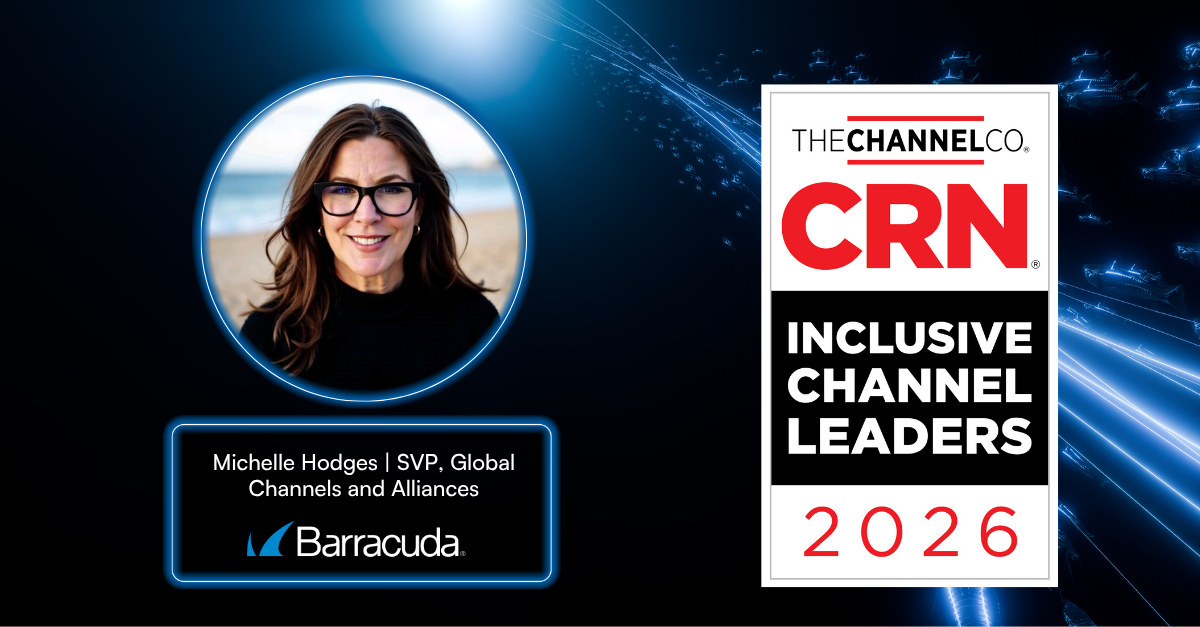
We sat down with Michelle Hodges, Senior Vice President of Global Channels and Alliances at Barracuda, to talk about her perspective on inclusive leadership following her recognition on the 2026 CRN Inclusive Channel Leaders list.
Q&A with Michelle Hodges, SVP of Global Channel and Alliances
Congratulations on being named to CRN’s 2026 Inclusive Channel Leaders list. What does this recognition mean to you?
At this stage in my career, recognition like this carries a different meaning. It’s not just about personal milestones. It’s a reminder that how we lead and the environments we create really matter.
The opportunities we open for others have a lasting impact, not just on our teams, but on the broader channel ecosystem. It’s energizing to see the industry continues to prioritize progress, partnership and shared success.
You’ve had a long career in the channel. Why is inclusive leadership such a priority for you now?
When you step back and reflect, it becomes clear that diverse teams deliver stronger outcomes. They drive better collaboration, stronger accountability and more resilience.
For me, it’s about supporting more women in cybersecurity and helping build ecosystems where people feel empowered to contribute and grow. That’s how we create sustainable success — for partners, for customers and for the industry.
How does inclusive leadership show up in your day-to-day work?
It starts with listening, really listening, to different perspectives. From there, it’s about removing barriers and making sure those perspectives actually shape decisions. I try to lead with empathy and accountability, while also grounding decisions in data. That combination leads to more practical, aligned strategies and ultimately better outcomes.
It also means working closely with teams like HR and executive leadership to ensure we’re creating pathways for people — especially women — to stay and grow in the workforce.
What are some of the ways you’ve brought inclusive leadership to life over the past year?
A big focus for me has been creating space for open dialogue and connection. I regularly host Women’s Breakfasts, whether it’s at our global offices, our sales kickoff or partner events like Discover, to bring people together and encourage meaningful conversations.
These moments help surface different perspectives and experiences, which leads to stronger, more informed decision-making across our partner ecosystem.
What impact have those efforts had on your teams and partners?
One of the biggest impacts comes from simply creating awareness. In conversations with teams, including male allies, there’s often a realization of experiences they may not have fully understood before.
That awareness is powerful. It helps foster empathy and drives more inclusive behaviors, which ultimately improves collaboration and strengthens our culture.
You’ve spoken about inclusion as an ongoing commitment. What does that look like in practice?
Inclusion isn’t a milestone. It’s something you commit to every day. It requires consistency, empathy and action. It’s about continuing to listen, continuing to learn and continuing to evolve how we lead. And it’s about making sure that commitment is reflected in both our culture and outcomes.
What advice would you give to other channel leaders looking to lead more inclusively?
Start by listening and being open to perspectives that may challenge your own. Then focus on removing barriers, whether they’re structural, cultural or simply unconscious.
Finally, make inclusion part of how decisions get made, not just something you talk about. Because when you do that, the impact extends far beyond individuals — it strengthens the entire ecosystem.







Subscreva o Blogue Barracuda.
Inscreva-se para receber destaques sobre ameaças, comentários do setor e muito mais.